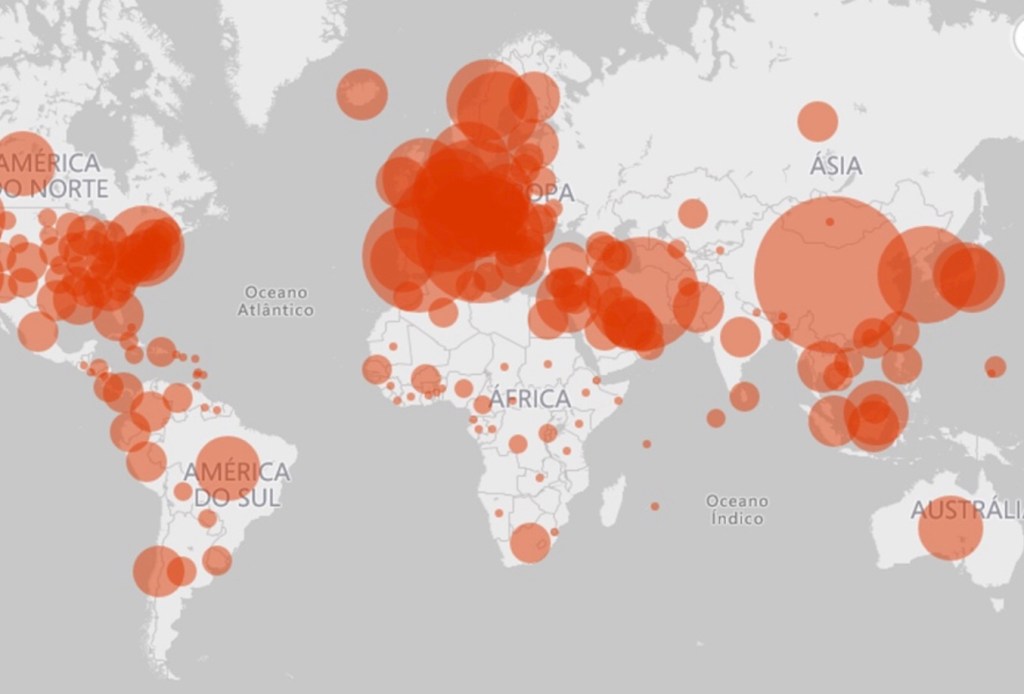
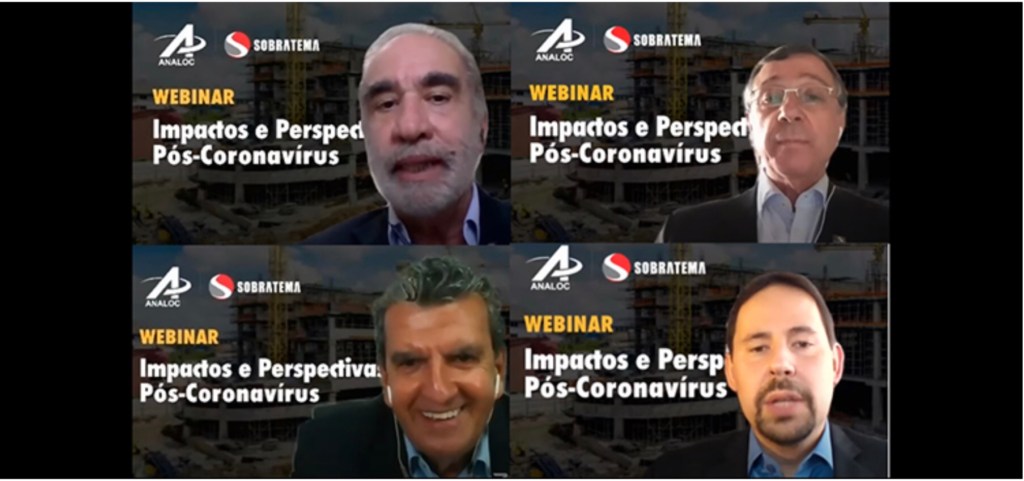
Esta é, sem dúvida alguma, uma pergunta intrigante e ao mesmo tempo complicada de se responder…
Trata-se, na realidade, de uma provocação!
Há décadas contamos com requisitos obrigatórios para a adequação de nossos edifícios e espaços, possibilitando com que portadores de necessidades especiais consigam usa-los ou acessa-los, sem qualquer dificuldade.
Mas na visão de vocês leitores….., será que realmente temos edificações acessiveis à todos?
O quanto estamos, de fato, embuidos em promover o acesso adequado ao próximo e o quanto estamos nos empenhando apenas para cumprir requisitos legais? O quanto que os nossos responsáveis, sejam eles legisladores, projetistas, administradores e proprietários, exercitam colocar-se na posição de quem utilizará rampas, acessos, etc, ao elaborarem o seu trabalho?
Ainda que não possamos obviamente generalizar, vemos diariamente tal desrespeito às Normas e Leis em vigor, principalmente pelo poder público, seja em função de adequações em travessias de ruas, nos quais muitas vezes cadeirantes precisam de ajuda, seja em função da falta ou falha na fiscalização de obras em edificações ou áreas privativas.
Vejam este interessante post do Diário da Inclusão Social e boa reflexão!
Embora escrito em inglês, este artigo produzido por Kevin Langan o ajudará na compreensão sobre a razão de nos preocuparmos com a filtragem do ar e as principais diferenças entre os filtros.
Diria ainda que o mais importante de tudo será compreender o que está além de “simplesmente” editarmos um PMOC para o atendimento à legislação, haja vista que muitos ainda se preocupam muito mais em atender leis, do que promover. de fato, condições ambientais internas adequadas para o ser humano e sua produtividade.
Boa leitura!
Although writen in english, this article produced by Kevin Langan will help you in understanding the reasons and concerns about air filtration and differences between filters.
I’d also highlight that the most important goal will be understand what is, in fact, beyond just preparing a PMOC documentation to attend brazilian legislation, as many operations still just spend their time to comply with legislations recquisites, rather than providing real indoor air quality conditions for occupants and their productivity.
Good reading for all!
Source (fonte): Consulting-Specifying Engineer
By (por): KEVIN LANGAN, PE, IMEG CORP., ROCK ISLAND, ILL.
Click here to read this article directly from its source.
What’s so important about air filtration?
Filters are ubiquitous in air handling systems, so it’s helpful to understand the different options for filters and to learn about how they function
Almost every air handling system has some level of air cleaning capability. Air filtration refers to removing airborne particles using media filters. From a high level, air filtration is provided in a heating, ventilation and air conditioning system for two main reasons: to protect equipment components from accumulating dirt/debris and to reduce the quantity of air contaminants inside the building environment.
In the most basic sense, air filters work by capturing a portion of the particles in the air that passes through the filter. While the basic concept of air filtration remains the same, the mechanism used to capture particles and the quantity/size of particles captured can vary considerably between different filters.
As described in Chapter 11 of the 2017 ASHRAE Handbook: Fundamentals, air contaminants can either be in the form of particles or gases and vapors. Gases and vapors exist in air as individual molecules, whereas particles are significantly larger than individual molecules. Given their relatively small size, gases and vapors are typically not removed from air through traditional media filtration and are not explored as part of this article.
Airborne particles can consist of many different materials. These particles can either be produced outdoors or inside the building. Outdoor particles can be produced from natural processes (such as wind, volcanic activity or decay of organic materials) or human activities (such as construction, agriculture, industrial plants and transportation). Particles also can be produced inside the building from building occupants, material off-gasing and building activities. Airborne particles can be composed of solids, liquids or a combination of the two and can be broken into the following categories:
Dusts, fumes and smokes.
Mists, fogs and smogs.
Bioaerosols (i.e., viruses, bacteria, mold spores, allergens, dander and endotoxins).
Additionally, the sizes of various airborne particles can vary considerably. See Table 1 for typical sizes of some common airborne particles.
Table 1: Typical sizes of common airborne particles are indicated. Courtesy: IMEG Corp.
The portion of air particles captured and the size of captured particles determines the removal efficiency of an air filter. The most widely used air filter efficiency scale in the HVAC industry is the minimum efficiency reporting value scale developed by ASHRAE. The MERV scale ranges from MERV 1 to MERV 16, with increasing MERV ratings corresponding to higher capture efficiency of more and smaller particles.
The testing procedures and parameters used to determine the MERV ratings of air filters are governed by ASHRAE Standard 52.2: Method of Testing General Ventilation Air-Cleaning Devices for Removal Efficiency by Particle Size. Table 2 provides a high-level summary of the ASHRAE 52.2 MERV performance requirements as well as the types of particles filtered by each rating.
Filtration efficiencies above the highest MERV rating (MERV 16) are typically defined by high-efficiency particulate air and ultralow penetration air filters. HEPA filters are defined by the United States Department of Energy Standard DOE-STD-3020-2015 as filters that remove at least 99.97% of airborne particles with diameters greater than or equal to 0.3 microns. This size range includes all bacteria, mold spores, dander and some smoke and fumes (see Table 1).
Table 2: An overview of filtration performance requirements for various MERV ratings is from ASHRAE Standard 52.2-2017. Courtesy: IMEG Corp.
ULPA filters remove at least 99.9995% of airborne particles 0.12 microns or larger, with increasing levels of ULPA filtration efficiencies beyond this base level. ULPA filtration levels are defined by the Institute of Environmental Sciences and Technology Recommended Practice IEST-RP-CC001 and European Standard CSN EN 1822-1.
Media filtration mechanisms
There are a variety of mechanisms by which the air particles are captured in a media air filter. In general, media air filters function by forcing air to flow through a fibrous media. As the air flows through this media, some of the particles in the air are captured by the media. As outlined in Chapter 29 of the 2016 ASHRAE Handbook: HVAC Systems and Equipment, the five main mechanisms by which particles are captured by the media are straining, inertial impingement, interception, diffusion and electrostatic effect.
Straining works by forcing an air particle through an opening that’s smaller than the particle, trapping the particle. This mechanism is typically most effective on larger particles.
Inertial impingement works by forcing the air around filter fibers. As the airstream curves around filter fibers, the inertia of the airborne particle can force it into a filter fiber. Depending on the properties of the particle and the fiber surface, the particle may remain stuck to the filter. Inertial impingement is more common with higher velocity permanent media filters.
Interception works similarly to inertial impingement, but with some important differences. With interception, the airstream curves around filter fibers. The airborne particles get close enough to the fibers that they make contact and adhere through molecular interactions. The contact between the particle and filter fiber occurs more on the side than the front of the fiber, which differs from inertial impingement. Also, because interception requires close interaction between particles and filter media, it’s more common with low-velocity extended media filters.
Thediffusion capture mechanism is essentially an extension of the interception capture mechanism. Diffusion works through the normal erratic movement of very small particles. This erratic movement can bring particles close enough to filter fibers to be captured via interception. The buildup of particles on filter media actually increases the effectiveness of diffusion capture. Diffusion is more effective at lower velocities and with smaller particle that move via diffusion.
Electrostatic effect works by giving the filter media an electrostatic charge, which can attract and capture particles with the opposite charge. The filter’s electrostatic charge can be passive or active. A passive charge is added during the manufacturing of the filter or is generated in the filter media as air passes through it. On the other hand, an active charge is added to the filter with a power source.
Filter styles
While the particle capture mechanisms of all media filters fall within the five categories laid out, filters can be constructed in many different ways. Depending on the application, several variables surrounding the design of a filter can be adjusted to achieve a balance between filtration efficiency, air resistance, particle holding capacity, leakage potential and cost.
As a filter holds onto more particles, its filtration efficiency actually increases due to smaller and smaller airways, but so does its air resistance. A filter with higher particle holding capacity allows it to trap more particles while minimizing the increase in air resistance. This increases the life of the filter, decreasing operating costs in the form of filter replacements.
Also, a filter usually has a maximum air resistance for which it’s designed. A pressure drop across the filter that is higher than this design value can result in damage to the filter. Some filter design variables that can be adjusted include: media material, media assembly style, filter installation style, edge sealing style and filter size.
Fiberglass is the most common filter media material used in commercial HVAC systems. There are several properties of fiberglass media that can be adjusted based on the requirements of a filter. Some examples of these properties include average diameter and length of the glass fibers and the packing density of the glass fibers. In general, denser packing of the glass fibers can offer better filtration efficiency but will have a higher air resistance. Coarser fibers are used for lower filtration efficiencies while finer fibers are used for higher filtration efficiencies.
Fiberglass fibers used in HEPA and ULPA filters are especially fine and are often referred to as microglass. Some filters even contain different types and densities of fiberglass throughout the depth of the filter. These variations can allow for increased particle holding capacity.
Note that there are also other filter media materials besides fiberglass. Permanent media filters, also referred to as washable filters, often have media consisting of metal and/or plastic filaments arranged in a weave. These filters typically have relatively low efficiencies, with MERV ratings between 1 and 4, but they are designed so they can be cleaned of captured particles and reinstalled.
HEPA and ULPA filters can be constructed of plastic fibers, such as polypropylene and expanded polytetrafluoroethylene (i.e., Teflon). Expanded PTFE offers some advantages over microglass filter media, such as more uniform fiber size distribution, smaller fiber size, increased media strength and more chemical resistance. These properties offer lower air resistance and less potential for filter damage at higher airflows and pressure drops. Additionally, some filter medias are embedded with antimicrobial materials to help maintain the integrity of the filter throughout its life.
In addition to the media material itself, there are many variations of media arrangement within a filter.
The simplest arrangement of filter media is a flat panel across the face of the filter, with or without a supporting material included to hold the media in place. The flat panel media arrangement is used with lower efficiency filters with minimal filter depth. This style of filter is not commonly seen in health care central air handling systems.
Perhaps the most common style for arranging media in a filter is to form the media into a series of pleats. This effectively increases the surface area of the filter, which helps to reduce air resistance and increase particle holding capacity. A supporting structure is sometimes required to maintain the arrangement of the pleats. The style and material of the pleat support structure depends on the spacing of the pleats, the maximum resistance rating of the filter and the depth of the filter.
Thin filters (e.g., depths less than 4 inches) with efficiency ratings less than MERV 8 might have self-supported pleats or a cardboard pleat support structure. Deep filters (e.g., 6 or 12 inches deep) with higher efficiencies might have pleat supports/separators constructed of aluminum or plastic. Some deep filters are constructed of multiple v-banks of thin pleated media filters. The v-banks are supported by a rigid plastic or metal structure. This arrangement can achieve a higher amount of media area than a typical deep pleat filter, increasing dust holding capacity and decreasing air resistance.
Thin pleated filters are typically referred to as “pleated filters” whereas deep pleated filters are referred to as “box filters” or “cartridge filters.” These types of filters are most commonly seen in health care central air handling systems.
Another filter media arrangement style is the bag filter. Bag filters consist of multiple media pockets supported by a frame on the front face of the filter. As air flows through the filter, it inflates the media pockets. This style of filter can accommodate relatively deep filters and high filter efficiencies, but not HEPA/ULPA ratings. These filters are susceptible to leakage and damage from impacts or moisture. They are seen in health care HVAC systems, but are not as common as pleated and cartridge filters.
Filters can be installed into air handling systems in two main ways: side-load and front-load. As implied by the name, side-load filters are loaded from the side of the air handling system. The filters are inserted in one side of the unit, with additional filters pushed into the side of previously loaded filters until they cover the entire width of the air tunnel.
This installation style in convenient from a maintenance standpoint, but it does have drawbacks. The seals between the filters are only achieved by the sides of the filter frames being pushed against each other. Ultimately, this does not achieve an airtight seal and will result in unfiltered air bypassing the filters. This is typically acceptable for low efficiency filters (i.e., MERV 8 or less) but is less acceptable for higher efficiency filters (i.e., MERV 13 and higher).
Front-load filters are installed into the air handling system from the front. Each filter is mounted into a grid-style frame that covers the face of the air tunnel. This requires more work to install the filter and requires a higher cost filter. However, this installation style offers much better sealing around the edges of the filter. Each filter is able to be sealed to the filter frame, minimizing the bypass of unfiltered air. Because of this feature, front-load filters are much preferred for high-efficiency filters.
There are also various options for the sealing mechanism around the edge of a filter. For low-efficiency side-load filters, there may not be any sealing mechanism, other than the flat frame of the filter. Front-load filters can be provided with a gasket material on the filter header, where the filter contacts the air handling system filter support frame. This gasket can be especially effective because the airflow against the front face of the filter pushes the gasket tighter against the support frame.
For HEPA/ULPA filters, a gel-seal with knife-edge design can be provided to seal around the filter. This sealing system includes a channel filled with gel. A knife-edge or thin metal protrusion is inserted into the gel when the filter is installed. This seal results in virtually no air leakage around the edges of the filter. A gel-seal with knife-edge system is basically required for any HEPA/ULPA filter that will be field tested for performance to HEPA/ULPA standards.
Experience has shown that a standard filter gasket will allow too much particle leakage for the filter to pass HEPA/ULPA performance requirements. This is especially applicable for pharmacy clean rooms within health care facilities. Per pharmaceutical regulations, the HEPA filters serving these spaces have to be tested biannually. Typically, it’s difficult to get a high-performing gel-seal with knife-edge system in a central air handling unit, so the HEPA filters perform best when installed in ceiling mounted laminar flow diffusers or fan filter units.
Health care filtration requirements
The main code/standard governing required filtration levels in health care facilities is ASHRAE Standard 170: Ventilation of Health Care Facilities. ASHRAE 170 is adopted as code in numerous jurisdictions and compliance with the standard is required for Centers for Medicare and Medicaid Services reimbursements.
ASHRAE 170 lists required minimum filter efficiencies for systems serving various types of spaces within a health care facility. The minimum filter efficiencies are listed for two filter banks: the filter bank upstream of the main heating and cooling coils (normally referred to as the “pre-filter”) and the filter bank downstream of all wet cooling coils (normally referred to as the “final filter”). In general, a minimum filter efficiency of MERV 7 is required for pre-filters and MERV 14 is required for final filters. Some spaces do not require final filters, while other spaces require higher filtration levels. Refer to Table 3 for a summary of the filter efficiency requirements included in the 2017 version of ASHRAE 170.
Table 3: Minimum filter efficiency requirements are from ASHRAE Standard 170-2017. Courtesy: IMEG Corp.
Acesse aqui a fonte do artigo diretamente no Linkedin.
Recebi uma “provocação” de amigos para falar da retomada da construção civil nos próximos meses. Como não sou economista, tenho dedicado bastante tempo em ler e entender as previsões econômicas de todos os matizes e com isso poder ter alguma posição a respeito. Uma coisa é certa, é mais fácil fazermos previsões para daqui 5 anos do que para daqui a 5 meses. Estamos vivendo uma crise profunda, equivalente a uma guerra mundial, com a única vantagem de perdermos muito menos vidas e não destruirmos fisicamente nossas cidades, fábricas e infraestrutura. Mas haverá destruição de empresas, empregos, confiança e um enorme incremento da pobreza em todo mundo.
Dos trabalhos que li, uma das melhores análises foi feita pelo Mckinsey em conjunto com a Oxford University para o efeito do corona-vírus na economia mundial, dos EUA, Europa e China, a qual pode ser vista em detalhes no link abaixo:
De uma forma bem resumida, nesse artigo foram estudados 9 senários possíveis variando a duração da curva de infecção (e eventual reinfecção) e as medidas tomadas pelos países para sua mitigação. Como as medidas que serão tomadas são de natureza política, e não obedecem necessariamente a uma lógica científica, não é possível termos muita certeza em qual cenário escolher. No artigo, foi escolhido um intervalo possível entre dois cenários intermediários “centrais”, nem tão pessimista nem tão otimista. O cenário A3 (um pouco mais otimista) prevê uma recuperação relativamente rápida, mas sem nova onda de incidência do vírus. Essa recuperação mundial aconteceria até o final de 2020. O cenário A1 (um pouco mais pessimista) prevê algumas ondas de reincidência do vírus e necessidade de algumas novas quarentenas para debelar essas reincidências, atrasando a recuperação econômica, que somente voltaria a situação pré-crise no final de 2021.
O que mais me impressionou foi a simulação da magnitude do impacto comparada as várias crises que aconteceram nos últimos 100 anos, a qual reproduzi na figura anexa. O cenário A3 (mais favorável) faria o PIB dos EUA cair 8% no período e o A1 (mais pessimista) faria cair 13%.
No gráfico, o impacto mais otimista seria equivalente ao dobro do impacto da crise financeira de 2008 e a menos otimista a três vezes ou equivalente ao impacto da própria IIWW. Mesmo atingindo picos equivalentes a IIWW o impacto total seria menor pois a duração da crise seria bem menor. As “áreas” sob as curvas é que determinam o impacto total e, mesmo a hipótese menos favorável, teria um impacto 4 a 5 vezes menor do que a IIWW. Ainda assim será o maior choque econômico desde a IIWW e muito maior do que a crise financeira de 2008. Nós, os mais velhos, nunca vimos um impacto tão grande como o que estaremos vivendo.
Examinando com cuidado o estudo desse artigo, dá para imaginar pelo menos a ordem de grandeza do impacto na economia brasileira e de certa maneira o impacto na construção civil e no mercado imobiliário. São setores com vieses diferentes.
Se a construção civil, na sua área de infraestrutura, for usada pelo governo como alavanca para a retomada da economia, com contratos importantes de estradas, portos, sistemas de esgoto, água e hospitais, o impacto nesse setor será positivamente muito grande e sua recuperação muito rápida.
Mas no mercado imobiliário, na minha opinião, a saída é muito mais complexa e lenta. O mercado imobiliário precisa de compradores e para isso são necessários 3 requisitos básicos: empregos (confiança), aumento de renda (formação de poupança) e crédito. O governo tem anunciado medidas importantes de crédito pela CEF, mas por maiores que sejam não serão suficientes para alavancarem o setor. No máximo atenuarão a onda de inadimplência e distratos junto a bancos e construtoras. A recuperação econômica do mercado imobiliário só acontecerá quando os dois outros requisitos derem sinais de recuperação. Esse tripé tem que parar em pé para que o setor volte a crescer. Isso sempre aconteceu em todas as outras crises do passado. O mercado imobiliário é o primeiro a ser atingido e o último a se recuperar nas crises econômicas.
Dessa forma, acredito que não haverá atividade econômica significativa no setor imobiliário nos próximos 12 meses, sendo pior nesses primeiros 6 meses (até outubro). Haverá muitas dificuldades e desemprego, pois, as empresas precisarão reduzir seus custos fixos para fazer frente a drástica redução de vendas e quebra de caixa nesse período.
A retomada provavelmente será gradual a partir do início de 2021. Muitas empresas compraram terrenos para lançamento numa visão otimista de recuperação de mercado que existia no final do ano passado e até fevereiro desse ano. Esses terrenos foram comprados com preços elevados e isso dificultará empreendimentos viáveis num futuro próximo. Soma-se a isso o fato de que a maioria dos donos de terreno tem um custo muito baixo de mantê-los (custo de IPTU e vigilância) e, não sendo estimulados a baixar seus preços de venda, poderão manter suas posições de preço alto com facilidade complicando ainda mais a retomada.
Resumindo, vejo um possível bom futuro na construção civil de infraestrutura a depender de uma visão política de recuperação econômica, mas uma recuperação lenta e sofrida para o mercado imobiliário.
A única certeza que tenho é que o único setor que não vai sentir qualquer efeito dessa crise é o do funcionalismo público, em particular do legislativo e judiciário. Com o conceito divino de “direitos adquiridos” outorgados a si mesmos, esses setores pesadíssimos da sociedade continuarão recebendo seus salários integrais e bem maiores que da iniciativa privada, vantagens, benefícios e aposentadorias sem que nada tivesse acontecido. Acho que não será dessa vez que vamos reconhecer que os tais “direitos adquiridos imexíveis” foram na verdade direitos “usurpados” por essa casta, e caberá a sociedade carregar o peso desse estado enorme e ineficiente mais uma vez. Mas esse é outro assunto…
Considerando a importância da Gestão de Ativos para a área de Manutenção, foi lançada nesta semana a nova pesquisa sobre o Mercado Brasileiro de Facilities pela Manutenção.net e Rede Brasileira de Manutenção.
Veja abaixo o link e não deixe de participar / contribuir!
AS EMPRESAS DE FACILITIES: Trabalha numa empresa que oferece serviços no mercado de Facilities? Estão responda a nossa pesquisa anual e atualize as informações de sua empresa e seu portfólio de serviços. Ao finalizar o questionário, você de imediato e gratuitamente, um relatório sobre o MAPA BRASILEIRO DO MERCADO DE FACILITIES. Em tempos de agitação do mercado de trabalho, é sempre muito útil saber onde se encontram as melhores opções, que ajudam seus clientes a bons resultados, obtendo assim reconhecimento e valorização. https://mapadefacilitiesbrasil.questionpro.com
ATENÇÃO: OS INSCRITOS RECEBERÃO POR E-MAIL O LINK PARA O ACESSO.
Mostraremos a importância dos ensaios avançados como a análise mineralógica qualitativa por difração de raios-X (DRX), análise semiquantitativa por fluorescência de raios-X (FRX), a análise térmica diferencial e termogravimetria (TG/DTG), análise petrográfica por Microscopia Eletrônica de Varredura (MEV), entre outros.
Introduziremos a importância destes ensaios através de dois cases reais, onde as análises assertivas foram fundamentais para a solução das patologias encontradas.
O case 1 é sobre uma fachada de um edifício onde aproximadamente 6.500 m² estão expandindo, fissurando, perdendo resistência mecânica e esfarelando. O juiz entendeu a hipótese diagnóstica e o cliente ganhou o caso em 1ª instância.
No 2º case, mostraremos como os ensaios avançados estão auxiliando na detecção dos problemas atuais de queda de revestimentos cerâmicos em todo o Brasil. A pandemia anunciada, agora oficialmente pelo CBIC, mostra um universo que ultrapassa a casa dos 2,6 milhões de m².
Por: Instituto de Economia da UNICAMP (http://https//www.eco.unicamp.br/): Guilherme Mello, Ana Luíza Matos de Oliveira, Ana Paula Guidolin, Camila de Caso, Grazielle David, Julio Cesar Nascimento, Ricardo Gonçalves, Tiago Seixas
A CRISE ECONÔMICA PROVOCADA PELA DISSEMINAÇÃO DO NOVO CORONAVÍRUS TEM INÍCIO NA ESFERA PRODUTIVA E IMPACTA OS MERCADOS FINANCEIRO E DE CRÉDITO. É O OPOSTO DO OCORRIDO EM 2008. EM VISTA DISSO, A SAÍDA DA CRISE OCORRERÁ APENAS QUANDO A SITUAÇÃO SANITÁRIA FOR CONTROLADA. ENQUANTO ISSO, HÁ POUCO O QUE OS BANCOS CENTRAIS POSSAM FAZER PARA SALVAGUARDAR A ECONOMIA, COMO FOI FEITO EM 2008, QUANDO A INJEÇÃO DE LIQUIDEZ E O “SALVAMENTO” DE INSTITUIÇÕES FINANCEIRAS FORAM CAPAZES AMENIZAR A QUEDA DA PRODUÇÃO.
DIANTE DESTE CENÁRIO, DIVERSOS GOVERNOS APOSTAM NA UTILIZAÇÃO MASSIVA DA POLÍTICA FISCAL. O COMBATE AOS EFEITOS ECONÔMICOS E SOCIAIS DA CRISE SERÁ UMA DAS OPERAÇÕES FISCAIS MAIS OUSADAS DA HISTÓRIA RECENTE DO CAPITALISMO. ALÉM DISSO, SERÁ PRECISO AMPLIAR A OFERTA DE CRÉDITO ATRAVÉS DE BANCOS PÚBLICOS, JÁ QUE AS INSTITUIÇÕES PRIVADAS ESTARIAM LIMITADAS DIANTE DOS RISCOS DO CENÁRIO ATUAL. TANTO O FUNDO MONETÁRIO INTERNACIONAL QUANTO O BANCO MUNDIAL RECOMENDAM AOS PAÍSES AMPLIAR URGENTEMENTE OS GASTOS COM SAÚDE E BUSCAR MEDIDAS DE APOIO AOS MAIS VULNERÁVEIS.
O BRASIL APRESENTA UMA VANTAGEM TEMPORAL DIANTE DESSA PANDEMIA: PODEMOS OBSERVAR O IMPACTO DO COVID-19 EM OUTROS PAÍSES E ADOTAR MEDIDAS EFICAZES PARA FREAR O SURTO. NO CURTO PRAZO, O BRASIL APRESENTA A VANTAGEM DE TER O SISTEMA ÚNICO DE SAÚDE (SUS), COM APRESENTA GRANDE CAPILARIDADE, PORÉM COM CRÔNICO SUBFINANCIAMENTO.
EM RELAÇÃO À NECESSIDADE DE ISOLAMENTO SOCIAL AMPLO A SITUAÇÃO NO BRASIL É COMPLEXA, SEJA PELA SITUAÇÃO PRECÁRIA DE MORADIA QUE PARTE SIGNIFICATIVA DOS BRASILEIROS SE ENCONTRAM, SEJA PELA ESTRUTURA DO MERCADO DE TRABALHO, COM TAXA DE INFORMALIDADE DE 40,7% (CHEGANDO 38,3 MILHÕES DE PESSOAS) E ALTA VULNERABILIDADE SOCIAL. É INSUSTENTÁVEL PARA QUE ESSES TRABALHADORES PERMANECEREM DE QUARENTENA, SEM RENDA.
AS MEDIDAS ANUNCIADAS PELO GOVERNO BRASILEIRO NO FRONT ECONÔMICO, ATÉ AGORA, SÃO EM GRANDE PARTE REMANEJAMENTO ORÇAMENTÁRIO, SEM INJEÇÃO DE RECURSOS NOVOS NA ECONOMIA COMO OUTROS PAÍSES ANUNCIARAM.
A PARTIR DA EXPERIÊNCIA INTERNACIONAL, O TEXTO ELENCA UMA SÉRIE DE MEDIDAS DE CURTO E LONGO PRAZO NO ÂMBITO DA SAÚDE, ASSISTÊNCIA E PREVIDÊNCIA, POLÍTICA FISCAL E POLÍTICA MONETÁRIA E DE CRÉDITO PARA ENFRENTAR A CRISE, EM ESPECIAL PRESERVANDO A RENDA DOS MAIS VULNERÁVEIS.
MESMO QUE MEDIDAS ADEQUADAS DE COMBATE À PANDEMIA SEJAM TOMADAS E SE MOSTREM CAPAZES DE MINIMIZAR SEUS EFEITOS SOCIAIS E ECONÔMICOS, A ECONOMIA MUNDIAL DEVE SAIR MUITO DIFERENTE DA CRISE. NO BRASIL, A PANDEMIA COLOCA EM XEQUE AS PRIVATIZAÇÕES, A CONDUÇÃO DAS POLÍTICAS ECONÔMICAS COM REGRAS FISCAIS INADEQUADAS, A PRECARIZAÇÃO DO MERCADO DE TRABALHO E A VULNERABILIDADE SOCIAL. REPENSAR O CAMINHO E ALTERAR A ESTRATÉGIA DE DESENVOLVIMENTO, ADEQUANDO-A AO NOVO CAPITALISMO QUE SURGIRÁ APÓS A CORONACRISE, SERÁ O GRANDE DESAFIO DAS PRÓXIMAS DÉCADAS.
Tenho visto e conversado com alguns colegas que atuam em operações no Brasil, extremamente preocupados com a pandemia que assolou o mundo e que vem, a cada dia, produzindo números assustadores, com os quais devemos nos preocupar.
Trata-se, na realidade, de uma guerra mundial e quase invisível, na qual nos encontramos inseridos e que nos força à colocar em prática cuidados e procedimentos já conhecidos, em conjunto com alguns cuidados importantes e adicionais.
Embora o brasileiro tenha tradicionalmente uma preocupação com limpeza e organização, ainda que nada possa ser afirmado de forma generalizada (vide os nossos hábitos pessoais, o nosso metrô que é reconhecido mundialmente, etc), temos também como fato comum o relaxamento histórico com cuidados pessoais, tais como o uso de cuidados para a nossa própria higiene pessoal.
Quem de nós não aprendeu quando ainda criança sobre a necessidade de lavar as mãos antes e após a realização de eventos? E quem de nós não aprendeu em sua vida profissional sobre os cuidados necessários à sua segurança e ao cuidado para com o próximo (SSMA)?
Sinceramente, acredito que quase nenhum leitor tenha escapado de tais exemplos acima…
Adicionalmente, nos acostumamos a “desenhar” planos de contingência e de gestão de crises em nossas operações, planos estes as vezes ridicularizados por alguns (ameaça de bombas, etc), embora extremamente necessários.
Pois bem, estamos em guerra, e precisamos nos reeducar e colocar em prática tudo aquilo que já conhecemos, inserindo também os cuidados e orientações específicas que nos forem passadas pelos orgãos competentes. Além disso, temos uma tarefa excepcional que é a de conscientização de colegas, colaboradores e usuários, com profissionalismo, humanidade e sem terrorismos, assim como já estamos acostumados a fazer em situações de extrema emergência, como em abandonos de edifícios e até mesmo, em ameaças de bomba, etc…
Mas antes disto, precisamos acreditar que estamos em guerra e que não estamos sozinhos! Precisamos também acreditar que esta situação que assola o mundo pode nos ensinar, recuperar ou reforçar o respeito ao próximo, os limites da nossa individualidade, o respeito aos procedimentos e normas e sobre a importância de uma atuação coletiva para enfrentar situações como esta, de forma humana e profissional.
As gerações anteriores as nossas enfrentaram guerras e crises econômicas, que as fizeram aprender, a se unir e crescer…. Agora, será a nossa vez de aprender e, principalmente, de nos unirmos e crescer com toda esta situação.
Não podemos mais nos omitir e imaginar que as pedras caem somente no telhado do vizinho… Precisamos nos inserir como cidadãos brasileiros e do mundo, respeitando ao próximo e ao nosso planeta.
Vamos aproveitar esta oportunidade de aprender e de ajudar a humanidade!
Vamos aprender o novo e colocar em prática tudo o que já conhecemos e que, de alguma forma, esteve ou está adormecido…
Além das constantes evoluções tecnológicas em áreas como eletricidade, eletrônica e sistemas mecânicos, a construção civil vem inovando ao longo dos anos, com tecnologias construtivas que permitem reduções em processos e nos tempos de construção, além de inovações em materiais.
Neste artigo que pincei de uma divulgação periódica da ASHRAE, pesquisadores da universidade Australiana Swinburne University desenvolveram um concreto mais flexível e que não requer cimento para a sua fabricação, o que permitirá também reduzir a pegada ecológica.
O artigo está em inglês, mas vale a pena conhecer um pouco desta nova tecnologia.
Bendable concrete goes cement-free to cut environmental footprint
Fonte (source): New Atlas
Por (By): Michael Irving
Divulgação: ASHRAE
Concrete is the world’s most widely-used building material thanks to its incredible strength – but it doesn’t stand up well against bending. Now, researchers at Swinburne University have developed a new type of concrete that can not only bend better, but doesn’t require cement to make, reducing its environmental footprint.
Put a huge weight on top of a pillar of concrete and the material will barely notice it’s there. But apply that force to the center of a pillar, and it will bend and break relatively quickly. This weakness is because concrete has high compressive strength but lower tensile strength.
In response to that, bendable concrete has been created and improved over the last few decades. And now, the Swinburne team has improved the recipe further, by reducing how much energy it takes to produce the material, as well as cutting carbon dioxide emissions during production.
The biggest polluter in concrete production is cement, the “glue” that holds the wet mixture together. Making cement requires high temperatures, so it gobbles up huge amounts of energy and churns out a lot of greenhouse gases. And as useful as bendable concrete is, it still involves this process.
But the newly-developed concrete ditches cement entirely. Instead, it’s made using industrial waste products such as fly ash, the airborne debris given off in coal-fired power stations. This geopolymer composite, as it’s known, can be cured at room temperature, so it’s far more environmentally friendly to make.
This alternative process has been used to make regular concrete in the past, but the team says this is the first time it’s been used in bendable concrete. The resulting product cuts energy consumption and greenhouse gas emissions during production, while being far more bendable than standard concrete.
“Production of this novel concrete requires about 36 per cent less energy and emits up to 76 per cent less carbon dioxide as compared to conventional bendable concrete made of cement,” says Behzad Nematollahi, corresponding author of the study. “Our laboratory test results showed that this novel concrete is about 400 times more bendable than normal concrete, yet has similar strength.”
Click here to read this article from its source and watch an interesting video on YouTube.
Clique aqui para ler o artigo em sua fonte e assistir a um interessante vídeo no YouTube.
Neste trabalho encontram-se as melhores práticas voltadas à eficiência energética, incluindo o conceito de TI verde em um data center. O conteúdo, baseado em relatórios produzidos pela Energy Star e Comissão da União Europeia, indica as principais técnicas relacionadas a equipamentos de TI, energia e climatização, bem como as diretrizes de gestão e monitoramento necessárias para o pleno funcionamento da instalação.
Os data centers são grandes consumidores de energia elétrica e cada vez mais seus serviços são requisitados.
Conforme sua demanda cresce, aumentam a complexidade e a necessidade de um gerenciamento eficiente de energia de climatização. Cerca de 80% das despesas anuais de um data center vêm de custos operacionais e de energia, o que na prática pode representar um elevado desperdício de recursos, caso haja má adequação dos serviços, espaços físicos ou hardware. De maneira mais agravante ainda, dependendo da fonte geradora, a utilização desnecessária de energia pode contribuir para uma maior emissão de gases poluentes atmosfera. O monitoramento da eficiência energética engloba também a utilização média dos servidores serviços, além de sua necessidade de refrigeração, uma vez que o trabalho gerado pela carga crítica precisa ser climatizado adequadamente. Sistemas de climatização são responsáveis por ao menos 45% do consumo de energia em um ambiente de data center.
Um relatório feito em 2016 pelo Laboratório Nacional de Lawrence Berkeley mostrou que em 2014 os data centers nos EUA consumiram 70 bilhões de kWh, em torno de 1,8% da eletricidade do país. Sua projeção para 2020 era de 73 bilhões de kWh. Esse número foi drasticamente reduzido por diversos fatores, como melhorias na escalabilidade energética dos servidores, armazenamento, rede e na operação da infraestrutura. Sendo assim, é muito importante que se gerenciem, de maneira mais incisiva, os recursos energéticos.
Onde nos deparamos com um maior número de “problemas”? Em obras novas ou em edificações existentes?
Se olharmos simplesmente para volumes e para a estatística, cravaríamos a nossa resposta em edificações existentes, que de um modo geral, correspondem a mais de 80% das edificações nas grandes capitais pelo país.
Por outro lado, se ouvirmos aqueles que já assumiram novas operações em edifícios recém construídos, relembraríamos frases antigas como “obra não se entrega…., se abandona”, e por aí iríamos…
O fato é que temos ocorrências ou “B.Os”, como a turma do chão de fábrica gosta de falar, em ambos os casos!
Se por um lado nos deparamos com a falta de histórico, com uma documentação desatualizada, com projetos e formas de operação alteradas na linha do tempo, sem muitas vezes uma justificativa técnica…, para as edificações existentes, nos deparamos pelo outro lado com obras inacabadas, documentação que não corresponde exatamente a condição “conforme construído” ou “as built” e sistemas que não performam conforme previsto em projeto, para as novas edificações.
Mas…, quem leva a pior entre os dois maus exemplos acima?? E qual a melhor solução a ser tomada?
Para as edificações existentes, têm-se muitas vezes a sensação de “acomodação” por parte das equipes locais, seja em função da falta de recursos para uma solução definitiva, seja em função da falta de motivação ou capacidade demonstrada pela equipe.
Muitas vezes, temos nestas edificações um grande número de engenheiros ou técnicos com o codinome “MacGyver”; uma verdadeira escola, para muitos…
Como resultado, temos operações rodando embora com falhas ocultas (até com certa genialidade)…., operações ineficazes e bombas do tipo “relógio” implantadas para detonar em algum momento…., surpreendendo os gestores da operação com indisponibilidade, custos inesperados e imprevisibilidade.
Para as edificações novas, convive-se com surpresas constantes, também ocasionando a falta de continuidade em algumas operações e gerando extrema insatisfação entre os novos condôminos, que esperam por uma “Ferrari”, após “escaparem” de uma alguma edificação existente…
Surpresas estas normalmente provocadas por inadequações entre o projeto e a ocupação do edifício, por falhas em instalação, pela falta de um processo adequado de comissionamento e pela falha no processo de “passagem de bastão” entre a construtora / instaladora e as equipes que receberam a edificação ao término da obra.
Como resultado, temos a insegurança, equipes “perdidas como um cego em tiroteio”, custos também elevados e uma grande insatisfação por parte dos ocupantes do edifício.
Enfim, são problemas de origens distintas, embora nos levem a resultados ruins, em ambos os casos.
A solução ou melhor, o encaminhamento para a solução destes problemas deverá respeitar o uso de protocolos distintos, sendo recomendável:
1. Edificações Existentes:
Realizar uma análise de estado e riscos para a operação (elegibilidade)
Realizar uma análise dos projetos e suas limitações “versus” a ocupação do empreendimento e suas necessidades / expectativas
Definir ou redefinir uma política de operação e manutenção
Estabelecer uma matriz RACI (de responsabilidades) frente ao escopo
Estabelecer prioridades para as situações e correções necessárias, precificando-as e envolvendo-as em um estudo de viabilidade
Avaliar a contratação de recomissionamentos ou retrocomissionamento para a edificação
Atuar de forma consciente e bastante eficaz sobre os principais riscos (escala adotada através de uma análise de riscos)
2. Edificações Novas (considerando que a operação fora iniciada):
Organizar 100% da documentação final entregue pela Construtora e Instaladoras
Relacionar todas as falhas ou problemas observados no início da operação
Relatar as características da ocupação da edificação, suas expectativas e necessidades sobre a infraestrutura disponibilizada
Contratar um processo de Comissionamento pós-obra, sendo necessário que estes “aliados” do proprietário reeditem de forma criteriosa todas as análises necessárias ao processo, envolvendo:
A qualificação e análise crítica de projetos e toda a documentação disponibilizada
Elegibilidade ou a qualificação das instalações no campo, englobando conformidade em relação aos projetos, condições de instalação, condições adequadas para o comissionamento e manutenção (manutenibilidade)
A reedição de testes funcionais, de desempenho e integrados dentro da etapa de qualificação operacional, comparando não somente os resultados obtidos com os disponibilizados pela Construtora e Instaladoras, como também avaliando-os em relação as novas condições de uso e ocupação
Emitir um relatório detalhado sobre o processo, destacando falhas, riscos e formas para mitiga-los
Definir uma política de operação e manutenção
Estabelecer uma matriz RACI (de responsabilidades) frente ao escopo e ao resultado do processo de comissionamento
Estabelecer prioridades para as situações e correções necessárias, precificando-as e envolvendo-as em um estudo de viabilidade
Envolver o proprietário e corpo jurídico, alertando-os quanto aos resultados obtidos
Envolver a Construtora, dentro das etapas e processos estabelecidos em comum acordo com o Proprietário e Corpo Jurídico (recomenda-se cuidado neste movimento, sendo necessário o envolvimento do Corpo Jurídico)
Atuar de forma consciente e bastante eficaz sobre os principais riscos (escala adotada através de uma análise de riscos durante o processo de comissionamento), sempre em constante alinhamento com a decisão tomada entre Construtora e Proprietário
Olhando a sugestão de atuação para as duas situações acima, não é difícil de se enxergar uma “dor maior” aos proprietários e ocupantes em uma nova edificação sendo, importante, que se estabeleça e siga uma linha de conduta, ainda que diferente da acima proposta.